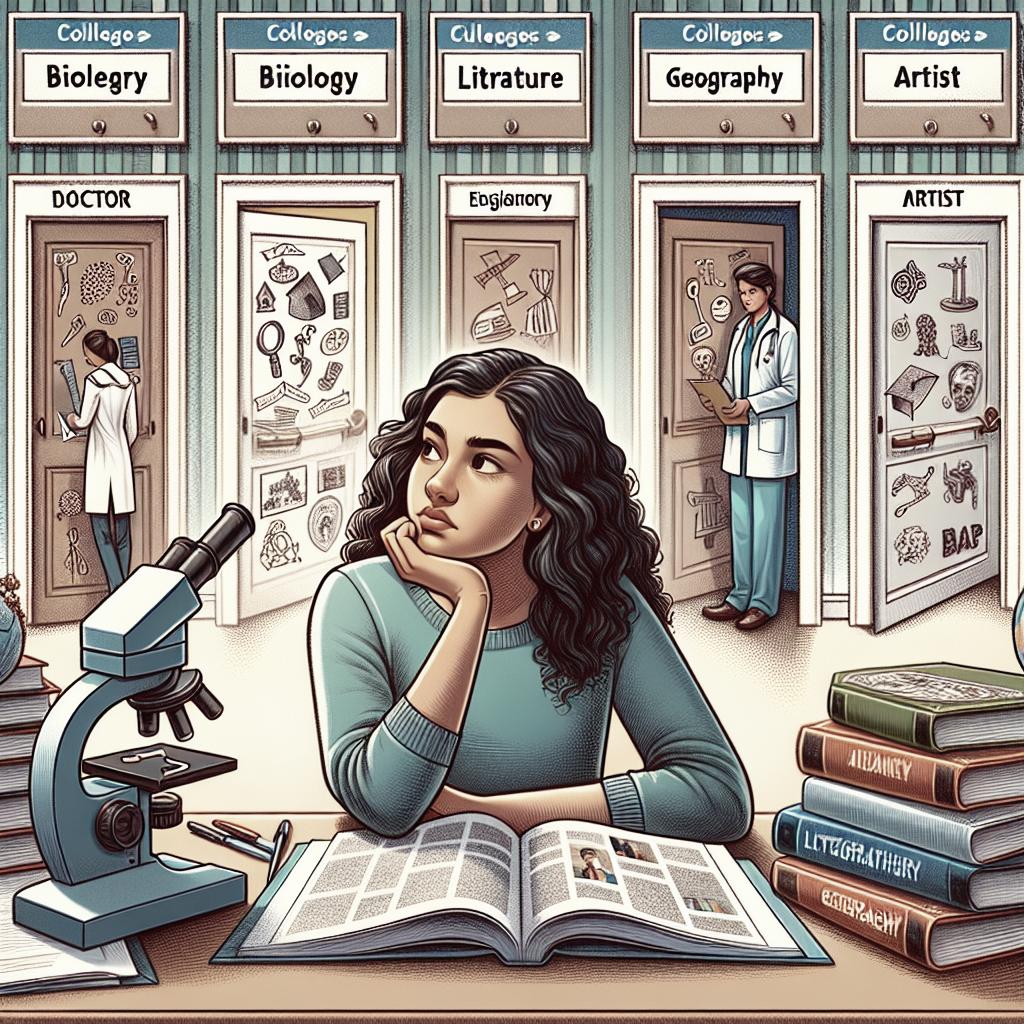
The Benefits of Attending a Liberal Arts College
Liberal arts colleges offer unique educational experiences that emphasized holistic development through a broad-based curriculum. Opting for a liberal arts education allows students to explore multidisciplinary paths and adapt to various professional fields. This blog post will delve into the diverse opportunities that come with attending a liberal arts college. From academic enrichment and internships to personal and community connections, these institutions cultivate environments where creativity, critical thinking, and leadership flourish. Whether it’s through research and professional skills development or engaging in spiritual, athletic, and leadership activities, liberal arts colleges provide countless avenues for growth. Moreover, mentorship and meaningful community service experiences help create responsible and engaged citizens. Below, we explore these benefits in detail.
Opportunities for Academic Enrichment and Internships
Liberal arts colleges prioritize a holistic educational approach, which encourages students to study a range of disciplines beyond their major field of interest. This setup nurtures intellectual curiosity and critical thinking skills, allowing students to draw connections across various fields of study. By fostering an environment where interdisciplinary exploration is encouraged, liberal arts institutions prepare students for a world that increasingly values adaptability and multifaceted skills.
Internships are an integral component of the liberal arts college experience. Institutions often collaborate with local businesses, non-profits, and other organizations to provide students with real-world, hands-on experiences. Such opportunities not only enhance the students’ understanding of potential career paths but also build valuable networks that can be leveraged upon graduation. This practical experience is vital in translating theoretical knowledge into tangible skills desired by employers.
Opportunities for Involvement and Personal Connections after Transferring From a Large College
For those students transferring from larger universities, the move to a liberal arts college often presents opportunities for greater personal interaction and involvement. Due to smaller class sizes, students find it easier to engage in discussions, form friendships, and receive personalized attention from professors. This model fosters a close-knit community where everyone’s voice is heard, and collaborative learning flourishes.
The emphasis on community at liberal arts colleges often leads to stronger alumni connections as well. Such networks can be invaluable when seeking career advice or mentorship. Furthermore, liberal arts colleges tend to have plenty of clubs, organizations, and events that encourage active participation. These involvement opportunities allow students to develop leadership skills and create lasting personal and professional connections.
Opportunities for Research and Professional Skill Development
Research opportunities at liberal arts colleges are often accessible to all students, not just those in advanced study programs or with a graduate focus. This accessibility allows undergraduate students to engage in significant research projects often reserved for graduate students at larger institutions. Engaging in research helps cultivate critical analysis and problem-solving skills, which are crucial in any professional context.
Professional skill development is a hallmark of the liberal arts education model. Through internships, volunteering, and experiential learning programs, students gain hands-on experience in fields they’re passionate about. Courses often emphasize collaboration, public speaking, and writing—skills that are transferable to virtually any career. Employers value these versatile competencies and often recognize the value liberal arts graduates bring to their teams.
Opportunities for Spiritual, Athletic, and Leadership Development
The small, community-focused environment of liberal arts colleges is ideal for personal growth in areas beyond academics. Many offer vibrant extracurricular programs that allow students to pursue sports, spiritual growth, and campus leadership roles. These activities provide a well-rounded college experience, promoting a balance between academic and non-academic life.
Leadership development is central to the liberal arts ethos. Students are encouraged to take initiative, often developing their leadership skills through leading clubs, organizing events, or taking on roles in student governance. This leadership training is beneficial in professional settings, where the ability to lead and inspire others is highly valued.
Opportunities for Mentorship and Meaningful Experiences to Serve the Community
Mentorship is a cornerstone of the liberal arts experience. With favorable student-to-faculty ratios, liberal arts colleges facilitate strong relationships between students and educators. Professors often play mentoring roles, guiding students in both academic pursuits and personal growth. Such mentorship relationships can provide invaluable support and direction during the college years and beyond.
Moreover, liberal arts colleges emphasize community service, fostering a sense of social responsibility. Through partnerships with local organizations, students have the chance to contribute to meaningful projects that benefit society. Not only does this service enhance the community, but it also enriches students’ understanding of the world, preparing them to be empathetic and engaged global citizens.
Lessons Learned
| Opportunities | Benefits |
|---|---|
| Academic Enrichment and Internships | Interdisciplinary study expands critical thinking and provides hands-on experience with professional networks. |
| Involvement and Personal Connections | Smaller class sizes foster community engagement and strong alumni ties, enhancing personal growth. |
| Research and Professional Skill Development | Research accessibility and skill-building courses prepare students for diverse career paths. |
| Spiritual, Athletic, and Leadership Development | Extracurricular activities promote personal growth and leadership skills crucial for future success. |
| Mentorship and Community Service | Mentors guide personal and academic development, while service opportunities build empathy and engagement. |