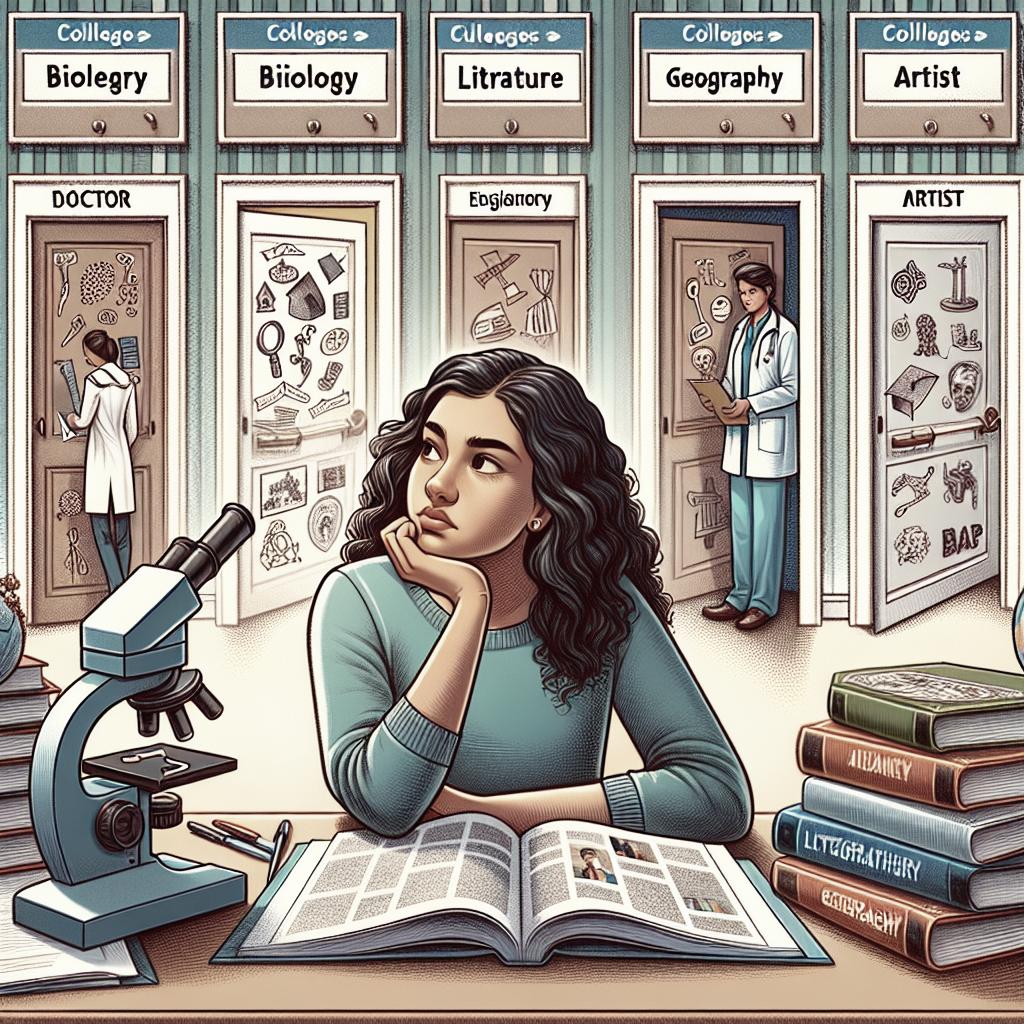
Career Counseling Resources in Universities
In today’s competitive job market, university students can greatly benefit from career counseling resources offered by their institutions. These resources provide invaluable assistance in career exploration, skill development, networking, and job search strategies. Whether through workshops, one-on-one counseling, internships, or classroom learning, universities equip students with tools for academic and professional success. This blog post will dive into the various streams of support available, highlighting how students can utilize these opportunities to make informed career decisions.
How We Can Help
Universities are committed to guiding students toward successful careers by offering career services that cater to individual needs. These services are designed to help students from all disciplines discover and achieve their professional goals. Whether it’s through resume workshops, internships, or career fairs, students can find tailored support that addresses their specific ambitions and challenges.
Career counseling offices are central to this mission, providing a range of services that include personal assessments, career planning, and job placement assistance. These offices work closely with students to explore different career paths and align them with each student’s personal interests and strengths. By leveraging these resources, students can make educated choices about their future and take decisive steps toward their career objectives.
Our Team
Behind every effective career services center is a dedicated team of professionals who strive to provide students with the most relevant and up-to-date career guidance. These teams typically consist of career advisors, industry experts, and administrative support staff, all working collaboratively to ensure students receive comprehensive support. The diversified expertise within the team helps in addressing the unique needs of students from varied academic backgrounds.
By building strong relationships with faculty, employers, and alumni, the team creates a robust network that students can tap into. This network is vital for students as they navigate internship opportunities, job vacancies, and industry trends. It also helps career services stay updated on occupational shifts and emerging sectors, thereby enhancing the guidance offered to students.
Explore Your Possibilities
Universities provide numerous avenues for students to explore different career possibilities. One of the key methods is through career assessment tools that help students understand their aptitudes, interests, and values. By utilizing these tools, students can gain insights into careers that align with their personal attributes and are encouraged to explore unconventional paths that might not have been immediately obvious to them.
In addition to assessments, universities often facilitate informational interviews and job shadowing opportunities, allowing students to gain firsthand insights into various professions. These experiences are invaluable in helping students visualize their future careers, understand industry expectations, and build meaningful connections with professionals in fields of interest.
Get Career Support
Students can access personalized career support services through one-on-one counseling sessions with career advisors. These sessions offer tailored advice on resume writing, interview preparation, and job search strategies. By providing individualized attention, career advisors help students identify strengths and weaknesses, enabling them to improve their marketability.
Furthermore, some universities offer peer mentoring programs where senior students mentor juniors, offering peer-perspective guidance and encouraging them to engage actively in their career journey. These mentorships can be particularly beneficial as they provide relatable insights and can often lead to lifelong professional relationships.
Supports and Resources
Universities boast a wide range of resources designed to aid students in their career development. These include online platforms that provide access to job listings, career workshops, and skill-building modules. By accessing these platforms, students can take a proactive approach to their career development and gain valuable tools and knowledge at their own pace.
Additionally, university libraries often offer extensive resources on career-related topics, ranging from books and journals to software that aids in resume and cover letter creation. With the integration of technology and traditional resources, universities ensure that students have a comprehensive toolkit for their career planning needs.
Workshops and Events
Career services frequently organize workshops and events to enhance students’ professional skills. These workshops cover a wide range of topics, from building effective resumes and LinkedIn profiles to mastering interview techniques. Expert speakers and industry professionals are often invited to conduct these sessions, providing insights from their own experiences.
Events such as career fairs offer students opportunities to meet potential employers, network with industry professionals, and learn about different companies. By participating in these events, students not only explore job prospects but also enhance their confidence and communication skills.
Here for Your Career Questions
No question is too small when it comes to planning a career. Career centers encourage students to approach them with any questions or doubts they might have. Whether it’s understanding industry requirements, clarifying career paths, or seeking advice on further education options, students are welcomed to ask questions at any stage of their academic journey.
This supportive environment fosters open communication and encourages students to actively seek advice and information, contributing to a richer and more personalized career development experience.
Careers in the Classroom
Incorporating career education within the academic syllabus plays a crucial role in preparing students for professional life. Many universities offer courses that focus on career planning, including essential skills like communication, teamwork, and leadership that are highly sought after by employers.
Collaborations between academic and career services departments can also bring career-focused content into the classroom, providing students with practical applications of their academic knowledge. This integrated approach helps bridge the gap between academic learning and real-world applications, empowering students with both knowledge and employable skills.
Earn While You Learn
Work-study programs offer a win-win situation for students looking to finance their education while gaining valuable work experience. These programs provide students with part-time work opportunities within the university or with partnered organizations, allowing them to earn money and simultaneously explore their career interests.
Internships, another mechanism for earning while learning, are crucial for real-world experience. They provide students a glimpse into the professional environment and offer practical experience in their field of study. Many universities have partnerships with companies that facilitate these internships, often leading to full-time positions post-graduation.
Events
Universities host a variety of events that focus on career development, from panels and networking events to tech expos and start-up competitions. These events provide students with opportunities to learn more about specific industries, network with professionals, and even present their own ideas and innovations.
Through active participation, students can gain confidence, receive feedback on their skills and ideas, and even secure job interviews and offers on the spot.
News
Keeping up with the latest news and trends in the job market is essential for career planning. Universities often publish newsletters and updates that feature industry insights, emerging fields, and companies on the rise.
By staying informed through these resources, students can make strategic career moves and adapt their skills and knowledge to meet current and future market demands.
Next Steps
| Section | Summary |
|---|---|
| How We Can Help | Guidance and services such as resume workshops, career fairs, and job placement assistance for students. |
| Our Team | A dedicated team provides expertise and a strong network for career guidance and support. |
| Explore Your Possibilities | Facilitating career assessments, informational interviews, and job shadowing to expand career horizons. |
| Get Career Support | One-on-one counseling and mentoring programs for personalized career advice. |
| Supports and Resources | Access to online platforms, libraries, and traditional resources for comprehensive career planning. |
| Workshops and Events | Workshops and career fairs providing professional skills and networking opportunities. |
| Here for Your Career Questions | Encouragement of open communication for all career-related queries. |
| Careers in the Classroom | Integration of career education in academic curricula to prepare students for professional life. |
| Earn While You Learn | Work-study programs and internships for practical experience and income. |
| Events | A variety of career-focused events that promote networking and expose students to industries. |
| News | Newsletters and updates providing students with insights into market trends. |