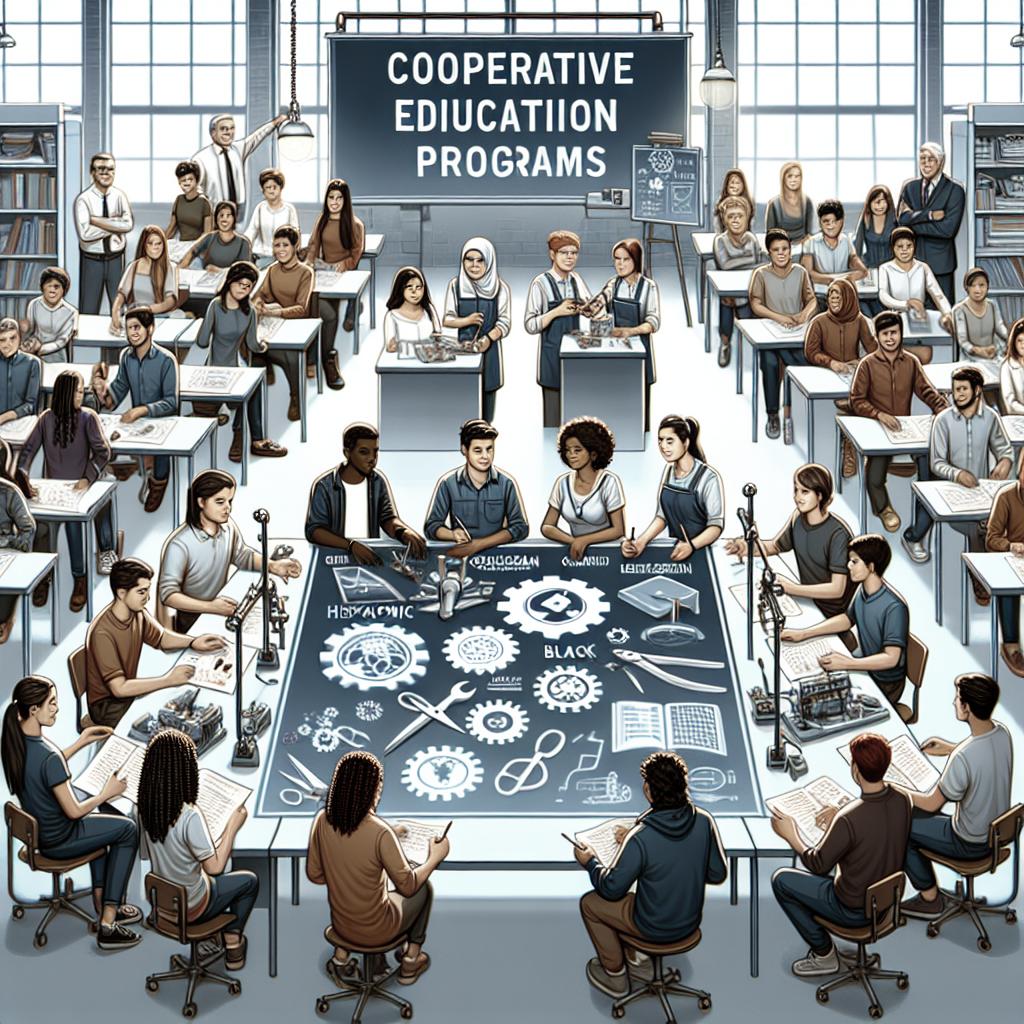
Unveiling the Benefits of Cooperative Education Programs
Cooperative education programs, commonly known as co-ops, are structured methods of combining classroom-based education with practical work experience. These programs offer students an invaluable opportunity to apply academic knowledge in real-world environments, enhancing both their learning and career prospects. In this blog post, we’ll explore whether the co-op system is the right choice for you, delve into its numerous advantages, and acknowledge the potential challenges students may face. By understanding both the benefits and hurdles of co-op programs, you can make an informed decision about whether this educational path aligns with your personal and professional goals.
Is the co-op system of study right for you?
With the academic world continually evolving, students are often presented with myriad educational paths, each offering unique opportunities and challenges. The co-op system combines traditional learning with practical experiences, providing students a dual advantage. This hybrid approach suits individuals eager to integrate work experience within their academic journey, gaining insights that purely academic routes may not offer.
However, while the co-op system presents thrilling opportunities for some, it might not be viable for everyone. It requires a commitment to alternating periods between work and study, which can extend the time typically needed for graduation. Therefore, aspiring students should evaluate their long-term academic and career goals to ensure alignment with the demands and pace of a co-op program.
Advantages of the co-op system of study
The greatest advantage of co-op programs lies in the work experience students gain while still in school. It enables them to build industry-related skills, increasing their employability upon graduation. Employers particularly value candidates who can transition seamlessly from academic environments to practical roles, and co-ops prepare students exceptionally well for this.
Additionally, these programs offer networking opportunities with industry professionals. Students establish relationships with mentors and potential future colleagues, which proves invaluable in their early careers. The hands-on experience, coupled with networking benefits, often helps co-op students secure better job positions than their peers, both in terms of responsibility and salary package.
Challenges of the co-op system of study
Psychology course offerings are limited in the Spring term
Co-op programs require careful planning to balance coursework and work terms. For psychology students, some courses may not be available every term, potentially limiting their academic progression. This necessitates strategic course planning to ensure all required courses are completed within the intended timeline.
This limitation means students must be proactive and flexible, seeking summer courses or alternative modules to stay on track. It’s essential to communicate closely with academic advisors to overcome these scheduling challenges efficiently.
Double/Joint Honours Programs
For students enrolled in double or joint honours programs, balancing a co-op schedule can prove particularly challenging. These programs inherently demand a heavier course load, which may conflict with the flexibility needed for co-op work terms.
Careful planning and robust time-management skills are crucial for students juggling these commitments. While challenging, success in this route demonstrates a high level of dedication and capability, traits highly desirable to employers.
Limits on course load
Enrolling in a co-op program requires students to manage both academic and professional responsibilities, which places a limit on the number of courses taken per term. This can extend the duration of studies, as students must balance work placements and academic requirements.
While extending the study period might not appeal to everyone, the trade-off often results in gaining practical experience that accelerates career advancement post-graduation.
Demands of being a Co-op student
The dual nature of a co-op program requires students to be adaptable, organized, and resilient. Balancing work obligations, academic assignments, and often daily commutes between classes and workplaces can be demanding.
Nevertheless, overcoming these demands instills a strong work ethic and time-management skills that are beneficial in professional environments, making these temporary sacrifices worthwhile.
Exchange programs
Participating in exchange programs within co-op studies can introduce additional complexities, potentially conflicting with the timeline of co-op terms. Therefore, students must weigh the benefits of international exposure against the possible disruptions to their co-op commitments.
For those determined to pursue international experiences, finding co-op positions abroad or scheduling exchange opportunities during academic terms without co-op responsibilities can help navigate this obstacle.
Additional financial costs
Co-op programs sometimes entail extra costs, such as transportation to work placements and attire suitable for professional settings. While some may find these additional expenses challenging, they’re often offset by the income earned during work terms.
This earnings aspect not only helps defray costs but also offers financial relief, reducing student debt, and bolstering funds, which eases the transition to post-graduate life.
Housing arrangements
Finding housing arrangements that accommodate both academic terms and work periods can be intricate, particularly for positions located away from the university’s vicinity. Students need to secure flexible housing options or temporary accommodations for work terms.
Although this aspect may pose logistical challenges, the experience nurtures adaptability and independence—qualities esteemed by future employers.
No guarantee of a co-op position
Despite providing valuable experience, a co-op system does not guarantee job placement. Competitive application processes for work terms mean students must diligently secure and prepare for positions.
However, the rigorous preparation and application process for co-op roles mirrors real-world job hunting, equipping students with practical skills and resilience for future career endeavors.
Final thoughts
| Aspect | Details |
|---|---|
| Advantages | Work experience, Skill-building, Networking opportunities |
| Challenges | Course limitations, Demands on time, Additional costs |
| Flexibility | Necessity for strategic planning and time management |
| Financial Impact | Possible additional costs offset by earnings during work terms |
The path of cooperative education programs is replete with opportunities and challenges. When weighing the benefits of real-world experience and professional networking against the potential challenges of complex scheduling and competitive placements, students must carefully consider their personal goals and readiness to embrace such a dynamic educational model. For those eager to bridge the gap between academia and industry, co-op education undoubtedly provides a profound and enriching experience, setting a solid foundation for future career success.