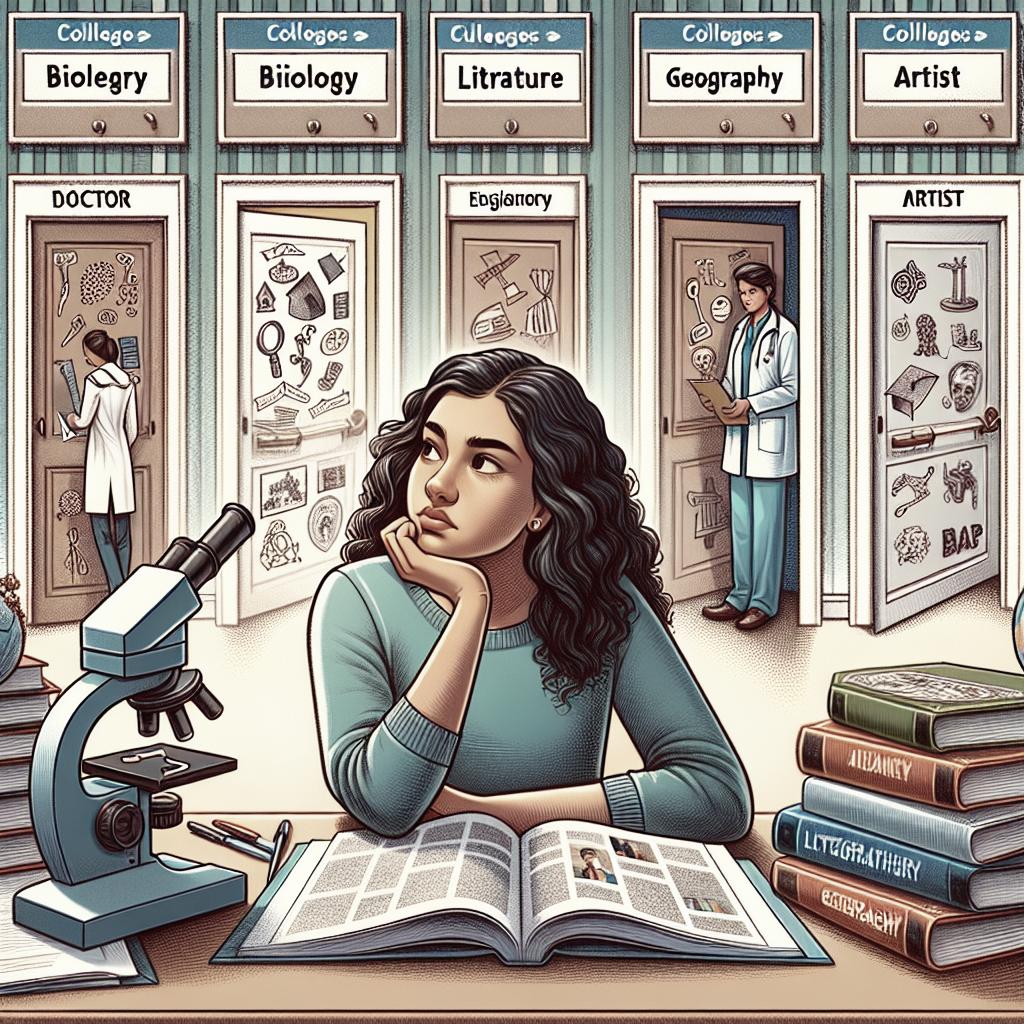
Key Differences Between College and University
When deciding on higher education pursuits, understanding the difference between colleges and universities is crucial. Although the terms are often used interchangeably, they represent distinct types of institutions with unique attributes. This article will explore these distinctions, discussing what defines a university and the specific benefits and drawbacks associated with it. Comparatively, we will examine the various types of colleges, such as technical, community, and liberal arts colleges. Furthermore, we’ll consider the role of colleges within universities and evaluate their pros and cons before helping you decide which path might be right for you. Finally, common queries about these educational institutions will be addressed, and additional resources will be provided.
Featured Online Programs
In an era where flexibility and accessibility are emphasized, online programs have risen to prominence. Whether offered by universities or colleges, the evolution of virtual learning platforms now provides diverse options for students worldwide.
Featured online programs encompass courses from both universities and colleges, often allowing you to earn the same credentials remotely. These programs can provide the opportunity to learn at your own pace, making education attainable for a broader audience while maintaining quality and accreditation standards.
What Is a University?
Universities are large institutions that offer a broad spectrum of undergraduate and postgraduate programs. These institutions typically have a wide range of departments, allowing students to select from various fields and specialized courses. Research is a cornerstone of the university experience, offering students the opportunity to engage in significant scholarly work.
Pros of Universities
One major advantage of attending a university is the comprehensive range of programs and degrees available. Students can benefit from state-of-the-art facilities, access to well-regarded faculty members, and a rich resource environment conducive to high-level research.
Additionally, universities often have a vibrant campus life with numerous clubs, societies, and extracurricular activities. This exposure allows students to develop soft skills that are advantageous in both personal and professional realms.
Cons of Universities
However, the vastness of universities can sometimes mean larger class sizes, which may lead to limited individual attention. The sheer size might also make it more challenging for students to feel a sense of community or belonging.
Moreover, universities tend to be more expensive than colleges. The financial burden might be a deterrent for some students, leading them to consider colleges as a more affordable alternative.
What Is a College?
Colleges primarily focus on providing undergraduate education but can vary greatly in purpose and size. Unlike universities, which are often research-focused, colleges may concentrate on teaching and personalized instruction.
What Is a Technical or Vocational College?
Technical or vocational colleges specialize in preparing students for specific trades or careers. These institutions enable students to gain practical, hands-on experience in fields like engineering, healthcare, or culinary arts.
The education delivered by technical colleges is typically concise and directly applicable to the workforce, allowing graduates to enter their chosen fields swiftly with the required skills.
What Is a Community College?
Community colleges offer two-year associate degrees and can serve as a stepping stone to bachelor’s programs. Typically, these institutions are more affordable and accessible where students can complete general education courses.
They provide a flexible learning environment, often accommodating adult learners or those balancing other responsibilities.
What Is a Liberal Arts College?
Liberal arts colleges focus on providing a broad-based education that cultivates critical thinking, communication, and analytical skills. These institutions maintain smaller class sizes which foster close interactions between students and faculty.
The emphasis is on developing well-rounded individuals who are equipped to think critically about various issues, enabling them to adapt across multiple career paths.
What About Colleges Within Universities?
Colleges within universities are often dynamically integral to the larger institution, contributing specialized programs and expertise. They can serve as a bridge, offering practicable learning while still benefiting from the resources of the larger university.
Pros of Colleges
Providing a more focused educational environment, colleges within universities may offer the best of both worlds: the intimacy and specialized attention of a college combined with the vast resources of a university.
These settings can foster a close-knit community, enhancing networking opportunities and individualized learning experiences.
Cons of Colleges
The autonomy of colleges might be limited by overarching university policies and administration. Students may find that some services or events are geared more towards the broader university community rather than the college itself.
Furthermore, the reputation of a college may be tied to the university, which can influence considerations of prestige and perceived value of the degree.
Is a College or University Right for You?
Deciding between a college and a university ultimately involves contemplating your personal goals, learning style, and financial situation. A university is ideal for those pursuing postgraduate studies or seeking a broad range of academic programs.
On the other hand, colleges suit those desiring personalized instruction or seeking specific vocational training. Consider the campus environment, class sizes, and potential career paths when making your decision.
Engage in self-assessment and consult with advisors, mentors, or alumni from institutions that interest you. Ultimately, the right choice will align with your academic aspirations and personal circumstances.
Frequently Asked Questions About Colleges vs. Universities
What’s the difference between college and university?
The primary distinction lies in their scope and offerings. Universities are comprised of multiple colleges and offer graduate programs, whereas colleges concentrate primarily on undergraduate education. Additionally, universities tend to have extensive research facilities.
Is it better to go to college or university?
There is no simple answer; the “better” option depends on individual objectives and needs. If you seek advanced research opportunities and specialized academic pursuits, a university might be preferable. Conversely, if personalized learning and specific vocational training are important to you, a college may offer a better fit.
Consider how each institution aligns with your career goals, financial constraints, and preferred learning environments.
Explore More College Resources
Private vs. Public Colleges: What’s the Difference?
Understanding whether to attend a private or public college can significantly influence your educational experience. Key differences include funding sources, tuition costs, and size. Private colleges often offer a more intimate educational setting, while public institutions usually provide diverse program offerings.
Best Online Colleges and Universities in Your State
Online education is becoming increasingly accessible and reputable. Finding the best online colleges and universities specific to your location can provide unique networking opportunities and localized curriculum tailored to your state’s job market.
Online Bachelor’s Degrees
Pursuing an online bachelor’s degree can allow for flexibility and opportunity, particularly for non-traditional students. These programs often accommodate various scheduling needs and provide the chance to balance work and study, making higher education more inclusive.
Summary of Main Points
| Aspect | University | College |
|---|---|---|
| Programs Offered | Undergraduate and Postgraduate | Primarily Undergraduate |
| Research Opportunities | Extensive | Limited |
| Cost | Typically Higher | Often More Affordable |
| Class Size | Larger | Smaller |
| Campus Life | Lively with Numerous Activities | Intimate and Community-Focused |