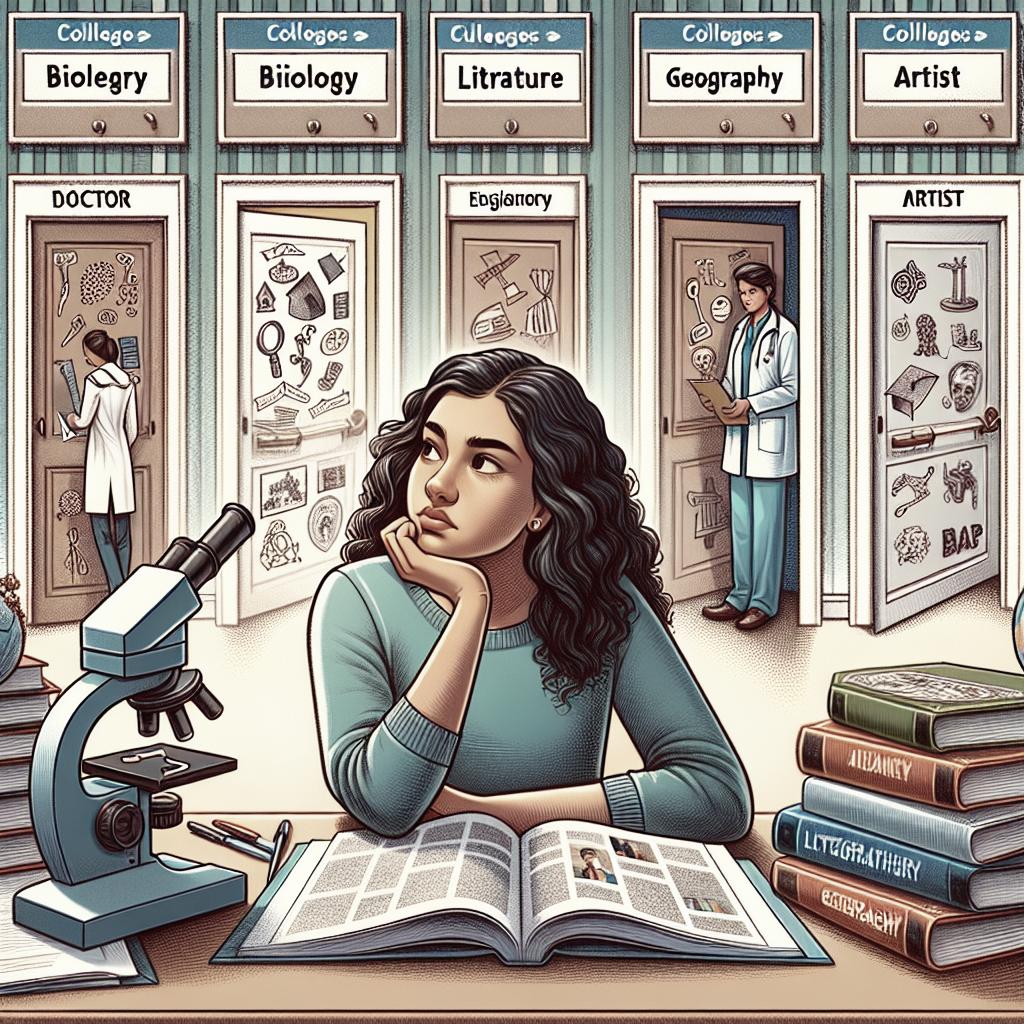
How to Develop Critical Thinking Skills at University
University life is a fertile ground for developing critical thinking skills, a necessity in our rapidly evolving world. Critical thinking at university involves inquiry-based learning, using questioning techniques, engaging in writing and collaborative activities, and assessing progress through various methods. This post explores ways to foster these skills, emphasizing resources, support systems, and effective teaching practices. By honing critical thinking, students are empowered to analyze information, make informed decisions, and prepare for future intellectual challenges.
Thinking through Inquiry
Inquiry-based learning is an educational strategy that focuses on questioning, critical thinking, and problem-solving. At the university level, this approach can enhance students’ ability to engage with content deeply and thoughtfully. By encouraging students to ask pertinent questions, inquiry drives the exploration of a subject and inspires deeper engagement with the learning process.
Professors can employ inquiry by posing thought-provoking questions during lectures and discussions, encouraging students to investigate topics beyond the surface. This method promotes active learning, allowing students to take ownership of their education. Moreover, inquiry-driven projects and research papers can help students build and refine their critical thinking skills, preparing them for the complexity of real-world problems.
Generic Question Stems
Generic question stems are essential tools in developing critical thinking capabilities. By using open-ended questions, students are prompted to think beyond conventional responses, fostering creativity and analytical skills. This technique encourages students to delve into the ‘why’ and ‘how’ of a subject rather than just the ‘what’.
Examples of generic question stems include “What evidence supports…?”, “How does this relate to…?”, and “What are the alternatives to…?” These questions require students to substantiate their responses, evaluate different perspectives, and pursue a nuanced understanding of issues. Incorporating these questions into classroom discussions and assignments can significantly enhance cognitive engagement and reasoning skills.
Critical Thinking through Writing
Writing is a powerful medium for developing critical thinking skills. The process of crafting essays, reports, and reflections engages students in organizing their thoughts, articulating arguments, and evaluating evidence. Through writing, students learn to formulate coherent, structured, and analytical responses to complex questions.
Instructors can enhance this process by providing detailed feedback on written work, emphasizing clarity, coherence, and depth of analysis. Writing workshops and peer-review sessions can also offer additional perspectives, enabling students to refine their ideas and approaches. Encouraging students to develop a habit of reflective writing can further support the cultivation of critical thinking skills.
Critical Thinking through Group Collaboration
Group collaboration is another effective method to develop critical thinking skills at university. Working in groups exposes students to diverse viewpoints and approaches, fostering an environment of shared learning and critical inquiry. In this setting, students learn to articulate their ideas clearly and consider alternative solutions presented by peers.
Group activities, such as debates, case studies, and group projects, enable students to engage with content dynamically. They also learn essential skills, like compromise and negotiation, which further promote critical insight. By reflecting on group experiences, students can enhance their ability to apply critical thinking to collaborative environments.
Assessing Critical Thinking Skills
Assessing critical thinking skills in university is pivotal to ensuring students’ development in this area. Assessments should be designed to evaluate not just knowledge recall, but also the ability to analyze, synthesize, and evaluate information. This can be achieved through essays, case study analyses, and presentations that require an articulated reasoning process.
Rubrics can be particularly effective in assessing critical thinking, as they provide clear criteria and expectations. These evaluations help students understand their strengths and areas for improvement, guiding them toward effective and critical engagement with academic material.
Support
Support structures within universities play a crucial role in nurturing critical thinking skills. Academic advisors, writing centers, and mentorship programs offer guidance and resources for students keen on developing these capabilities. Proper support can facilitate personalized learning experiences tailored to individual student needs.
Faculty can support critical thinking by creating open lines of communication, fostering an atmosphere of curiosity, and encouraging students to pursue independent inquiry. These measures lay the groundwork for a supportive educational environment where critical thought is valued and cultivated.
Resources
Various resources are available to students at university to aid in developing critical thinking skills. Libraries, online databases, and academic journals provide a wealth of information for conducting deep research and cross-referencing data. Additionally, workshops and seminars focused on reasoning and analytical skills can further bolster students’ capabilities.
Digital tools and platforms also offer complementary resources for critical thinking development. Interactive modules, online discussions, and e-learning environments enhance students’ engagement with content and provide opportunities for critical analysis and collaboration.
Catalog Search
An effective catalog search is essential in navigating the vast resources available at universities. Students should learn to utilize advanced search techniques, including the use of keywords and Boolean operators, to locate pertinent information effectively. This skill enhances students’ ability to gather and evaluate credible sources for their academic work.
Moreover, familiarizing students with different catalog systems and search engines can streamline the research process. Training in digital literacy further equips students with the confidence to discern reliable information in an increasingly complex information landscape.
Teaching Tip Categories
Integrating critical thinking skills into teaching practices can be achieved through strategic teaching tips. Categories such as questioning techniques, feedback methodologies, and collaborative learning strategies can all promote critical engagement. Educators can focus on interactive methods that require students to interrogate their understanding and approach to learning actively.
Moreover, celebrating successes and fostering a growth mindset can encourage students to view critical thinking as a continual learning process. Providing specific, actionable teaching tips can empower educators to create a learning environment that cultivates inquiry and evaluation.
Future Prospects
| Development Area | Strategy |
|---|---|
| Inquiry-Based Learning | Use thought-provoking questions to facilitate deeper engagement. |
| Generic Question Stems | Promote open-ended questions to enhance analytical skills. |
| Writing | Encourage reflective and structured writing for analysis. |
| Group Collaboration | Utilize group projects and discussions for diverse perspectives. |
| Assessment | Design assessments that evaluate reasoning processes. |
| Support | Leverage academic advisors and mentorship for guidance. |
| Resources | Utilize libraries, workshops, and digital tools effectively. |
| Catalog Search | Master advanced search techniques for efficient research. |
| Teaching Tips | Implement interactive and growth-focused teaching strategies. |